

What Causes Roof Leaks and How to Spot Them Early
A roof leak rarely starts the moment you notice a water stain on the ceiling. By then, the damage has often been building quietly for weeks or even months. Understanding the most common roof leak causes helps homeowners catch problems early, before they turn into costly interior damage. Homeowners in Fortville often reach out once they notice early warning signs, choosing to have their roof evaluated by a team trained to find the source before it worsens. Knowing what to watch for can save you significant time, stress, and money.
Here is what you will learn:
- Why catching roof leaks early matters for your home
- The most common causes of roof leaks and how each one develops
- Early warning signs that indicate a leak may be forming
- How different leak causes compare in terms of risk and repair cost
- What to do if you suspect your roof is already leaking
Why Catching Roof Leaks Early Matters

Roof leaks rarely announce themselves clearly. A small drip today can quietly damage insulation, drywall, and framing long before it becomes an obvious problem. Understanding the early signs and common causes gives homeowners a real advantage in protecting their home.
Addressing potential leaks early comes with clear benefits:
- Lower Repair Costs: A small, contained leak is far cheaper to fix than extensive water damage.
- Mold Prevention: Catching moisture early reduces the risk of mold growth in walls, ceilings, and attics.
- Protected Home Value: Addressing leaks promptly helps maintain your home’s structural integrity and resale value.
- Reduced Stress: Knowing the source of a problem early removes the uncertainty of an ongoing, unresolved leak.
- Avoided Emergency Repairs: Proactive attention prevents small issues from becoming urgent, expensive situations.
For homeowners in Fortville and surrounding areas, where seasonal storms and temperature swings put extra stress on roofing systems, staying alert to early warning signs is one of the most effective ways to protect your home.
The Most Common Causes of Roof Leaks
Roof leaks can develop from a variety of sources, and understanding each one helps homeowners know exactly where to look when trying to identify a problem. Walking through these common causes one at a time makes it easier to pinpoint what might be affecting your own roof.
1. Damaged or Missing Shingles
Shingles serve as your roof’s first line of defense against water, and damage from age, wind, or storms can create direct openings for leaks to develop. This is often the most visible and easiest cause to identify.
- Cracked, curling, or missing shingles allow water to penetrate the roof deck
- Granule loss reduces a shingle’s protective barrier over time
- Even a small area of damage can lead to a significant leak during heavy rain
2. Cracked or Deteriorated Flashing
Flashing seals the joints where the roof meets chimneys, vents, and skylights, and it is one of the most common sources of leaks. Over time, flashing can crack, rust, or separate from the surrounding roofing material.
- Flashing around chimneys is especially prone to developing gaps over time
- Rusted metal flashing loses its ability to properly seal water out
- Improperly installed flashing can fail years before it should
3. Clogged or Damaged Gutters
Gutters direct water away from your roof and home, and when they become clogged or damaged, water can back up under shingles instead of flowing away properly. This is a common but often overlooked cause of leaks.
- Clogged gutters cause water to pool and seep beneath roofing materials
- Sagging or detached gutters can allow water to collect near the roofline
- Regular gutter cleaning significantly reduces this risk
4. Cracked or Deteriorated Pipe Boots
Pipe boots, the rubber seals around vent pipes, are one of the most common leak points on any roof. These components deteriorate faster than surrounding shingles due to constant sun exposure.
- Cracked pipe boots create small openings that are easy to miss during a visual inspection
- Aging rubber becomes brittle and prone to splitting over time
- This is often one of the first components to fail on an otherwise healthy roof
5. Ice Dams and Winter Weather
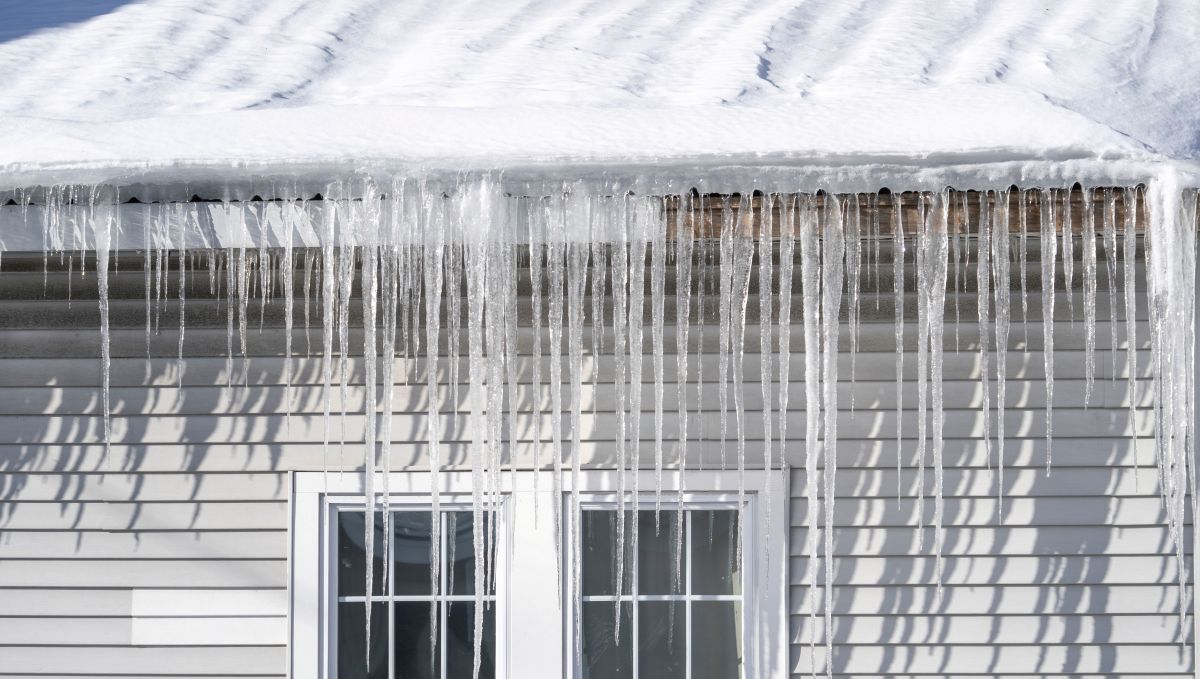
During Indiana winters, ice dams can form along the roof edge when heat escapes unevenly, causing snow to melt and refreeze repeatedly. This trapped water can back up under shingles and lead directly into the home.
- Poor attic insulation and ventilation contribute significantly to ice dam formation
- Water trapped behind an ice dam has nowhere to go but under the shingles
- Ice dams are more common on roofs with inadequate ventilation systems
6. Improper Installation
Even high quality roofing materials can fail prematurely if they were not installed correctly. Improper nailing patterns, inadequate sealing, or incorrect flashing installation can all lead to leaks that develop earlier than expected.
- Improperly placed nails can create small holes that allow water infiltration
- Inadequate sealing around penetrations often leads to leaks within the first few years
- Working with an experienced, certified contractor significantly reduces this risk
Early Warning Signs You Should Never Ignore
Recognizing the early signs of a developing leak can make the difference between a simple repair and extensive water damage. These signs are not always obvious, which is why regular attention to detail matters.
Signs Inside Your Home
- Water Stains on Ceilings: Often the first visible indication that water is entering the home.
- Peeling Paint or Bubbling Drywall: Can indicate moisture trapped behind walls or ceilings.
- Musty Odors: A sign of trapped moisture, even before visible stains appear.
- Dripping Sounds During Rain: Should never be dismissed, even if no visible leak is apparent.
Signs in the Attic
- Dark Spots or Staining on the Roof Deck: Often visible before leaks reach living spaces.
- Damp or Compressed Insulation: Indicates moisture is already present.
- Visible Daylight Through the Roof: A clear sign that gaps exist in the roofing system.
Catching these signs early gives you the opportunity to address a leak before it causes more significant, costly damage.
Comparing Leak Causes by Risk and Repair Cost
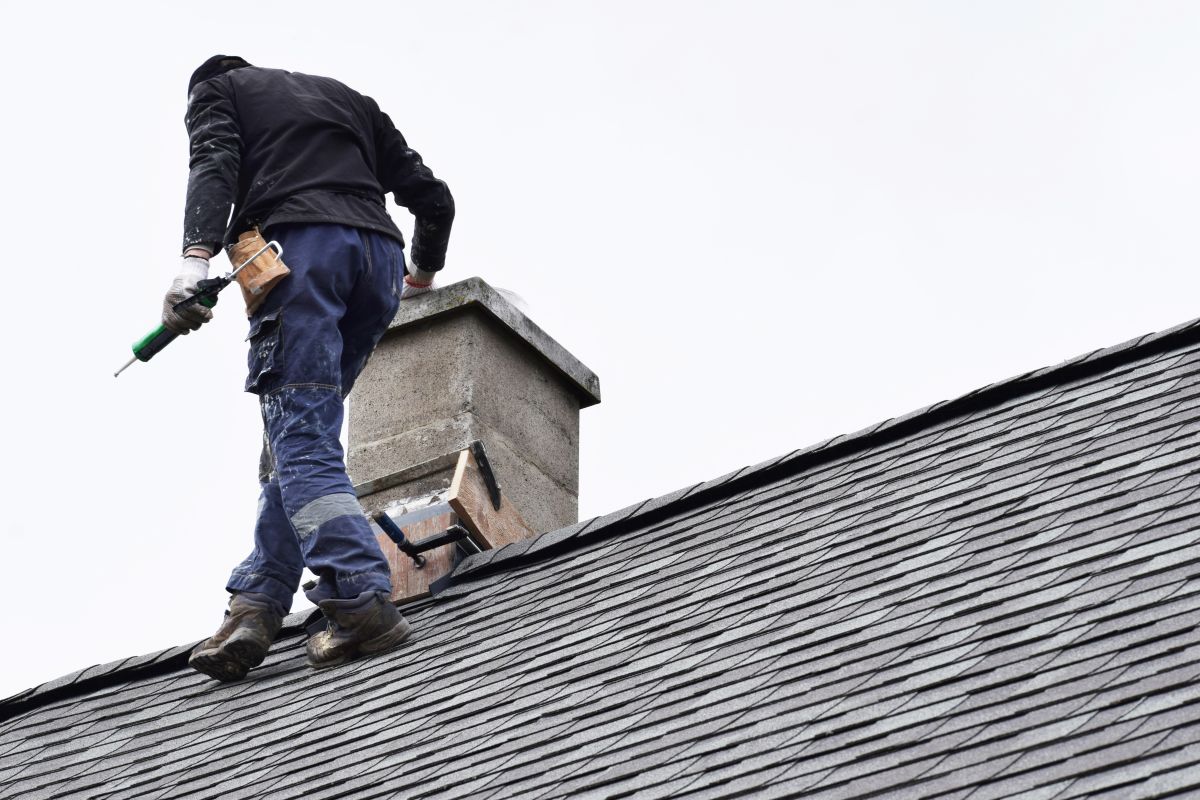
Not all leak causes carry the same level of urgency or repair cost. Understanding how these common issues compare can help homeowners prioritize what to address first.
| Leak Cause | Typical Warning Signs | Repair Urgency | General Repair Cost |
| Damaged Shingles | Missing pieces, granule loss | Moderate to high | Low to moderate |
| Cracked Flashing | Water stains near chimneys or vents | High | Moderate |
| Clogged Gutters | Water pooling, sagging gutters | Moderate | Low |
| Cracked Pipe Boots | Small ceiling stains near vent pipes | High | Low to moderate |
| Ice Dams | Icicles, water stains after winter storms | High | Moderate to high |
| Improper Installation | Leaks appearing shortly after installation | High | Varies, often covered by warranty |
A few additional points worth keeping in mind:
- Address Small Issues Quickly: Even minor leak causes can worsen significantly if left unresolved.
- Schedule Seasonal Inspections: Catching issues before winter and after storms helps prevent major leaks.
- Keep Gutters Clear: Regular maintenance significantly reduces one of the most common leak causes.
- Document Any Signs You Notice: This can help a professional pinpoint the source more quickly.
Homeowners throughout Fortville and surrounding areas often find that a professional inspection can identify the exact source of a leak far more quickly than trying to trace it back on their own.
Protecting Your Home From Future Roof Leaks
Understanding the most common causes of roof leaks, along with the early warning signs to watch for, gives homeowners a real advantage in protecting their homes. From damaged shingles to cracked flashing and ice dams, most leaks develop gradually, which means there is usually a window to catch the problem before it becomes serious.
If you have noticed any signs of a potential leak, or simply want a professional inspection for peace of mind, Jax Roofing has helped homeowners across Fortville and surrounding areas identify and repair leak sources for years. Contact us today to schedule an inspection and get a clear answer before a small leak becomes a much bigger problem.

