Understanding Roofing Warranties: Material vs Workmanship
Not all roofing warranties offer the same protection, and misunderstanding the fine print can leave homeowners paying out of pocket for problems they assumed were covered. Learning the different roofing warranty types helps you know exactly what is protected, for how long, and under what circumstances. Homeowners in Whitestown often ask about this before choosing a contractor for their next roofing project. Understanding these distinctions upfront can prevent frustration and unexpected costs down the road.
Here is what you will learn:
- Why understanding your roofing warranty matters before and after installation
- The main types of roofing warranties and what each one actually covers
- Key factors that can affect or void your warranty coverage
- How material and workmanship warranties compare side by side
- What to look for when reviewing a warranty before signing a contract
Why Understanding Your Warranty Matters

Many homeowners assume their roof is fully protected simply because a warranty was mentioned during the sales process. In reality, warranties vary significantly in what they cover, how long protection lasts, and what conditions must be met to keep coverage valid. Understanding these details before a problem arises can save significant money and frustration.
Knowing your warranty coverage in detail offers real advantages:
- Financial Protection: A clear understanding of coverage helps you avoid unexpected repair costs.
- Informed Contractor Selection: Comparing warranty options helps you choose a contractor with confidence.
- Faster Claims Process: Understanding your coverage terms in advance makes filing a claim more straightforward if needed.
- Realistic Expectations: Knowing what is and is not covered prevents disappointment down the road.
- Stronger Long-Term Value: A properly understood warranty protects your investment for years to come.
For homeowners in Whitestown and surrounding areas, where roofs face a mix of storms, humidity, and temperature swings, having a clear picture of warranty protection is especially valuable when problems do eventually arise.
4 Main Types of Roofing Warranties Explained
Roofing warranties generally fall into a few distinct categories, each covering a different part of the overall project. Understanding what each type protects helps homeowners know exactly where their coverage begins and ends.
1. Manufacturer Material Warranty
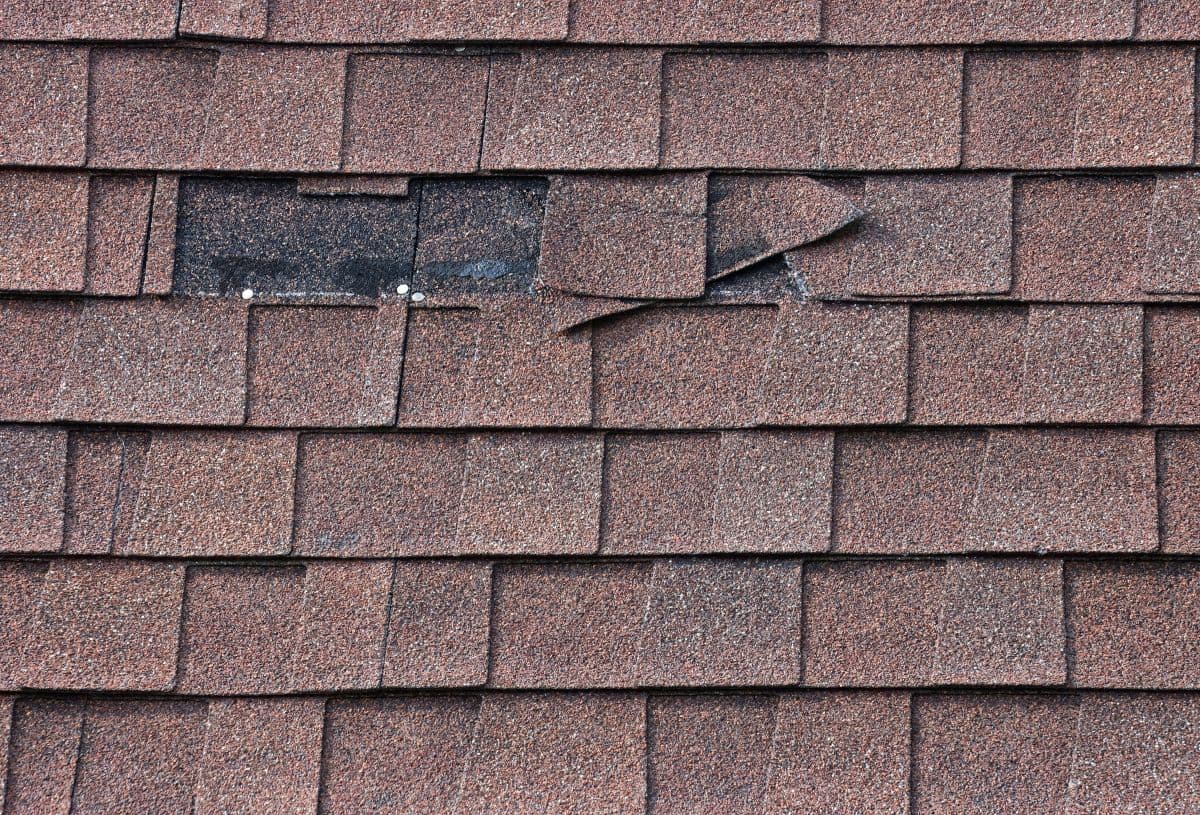
This warranty covers defects in the roofing materials themselves, such as shingles that fail prematurely due to a manufacturing flaw. It does not cover damage caused by improper installation or external factors like storms.
- Typically covers manufacturing defects for 20 to 50 years depending on the product
- Standard coverage often decreases in value over time on a prorated basis
- Does not cover installation errors or weather-related damage
2. Contractor Workmanship Warranty
This warranty is provided by the roofing contractor and covers issues related to the quality of the installation itself, such as improper flashing or nailing errors. This coverage is only as reliable as the contractor providing it.
- Coverage length varies significantly between contractors, often two to ten years
- Protects against leaks or issues caused by installation mistakes
- Only valid as long as the contractor remains in business
3. Enhanced or Extended Manufacturer Warranty
Some manufacturers offer enhanced warranty options that combine material and limited workmanship coverage, but these are typically only available through certified contractors who meet specific manufacturer requirements.
- Often includes both material defects and certain installation errors
- Usually requires certification status, which not all contractors hold
- Provides stronger protection since it is backed by the manufacturer rather than a single contractor
4. Lifetime Limited Warranty
Many premium shingle products are marketed with a lifetime limited warranty, which sounds comprehensive but often includes specific conditions and prorated coverage after an initial full coverage period.
- Full coverage period is often shorter than the overall warranty length suggests
- Coverage frequently becomes prorated after the first several years
- Terms and conditions should be read carefully rather than assumed from marketing language
What Can Void or Limit Your Warranty Coverage
Even a strong warranty can become void or limited if certain conditions are not met. Understanding these details ahead of time helps homeowners avoid accidentally forfeiting coverage they are counting on.
Common Warranty Exclusions
- Improper Maintenance: Failing to maintain the roof as recommended can void certain coverage.
- Unauthorized Repairs: Having work done by a different contractor can sometimes void manufacturer warranties.
- Storm and Weather Damage: Most material and workmanship warranties do not cover storm damage, which typically falls under homeowners insurance instead.
- Improper Ventilation: Some manufacturers require proper attic ventilation as a condition of warranty coverage.
Steps to Protect Your Coverage
- Keep Documentation: Save all paperwork, receipts, and warranty registration confirmations.
- Schedule Regular Inspections: Routine maintenance records can support a claim if issues arise later.
- Register Your Warranty Promptly: Many manufacturer warranties require registration within a specific timeframe after installation.
- Use Certified Contractors: Certification status often affects eligibility for enhanced warranty coverage.
Understanding these details before signing a contract helps ensure that the warranty you are counting on will actually hold up if a problem occurs.
Material Warranty vs Workmanship Warranty: A Side by Side Comparison
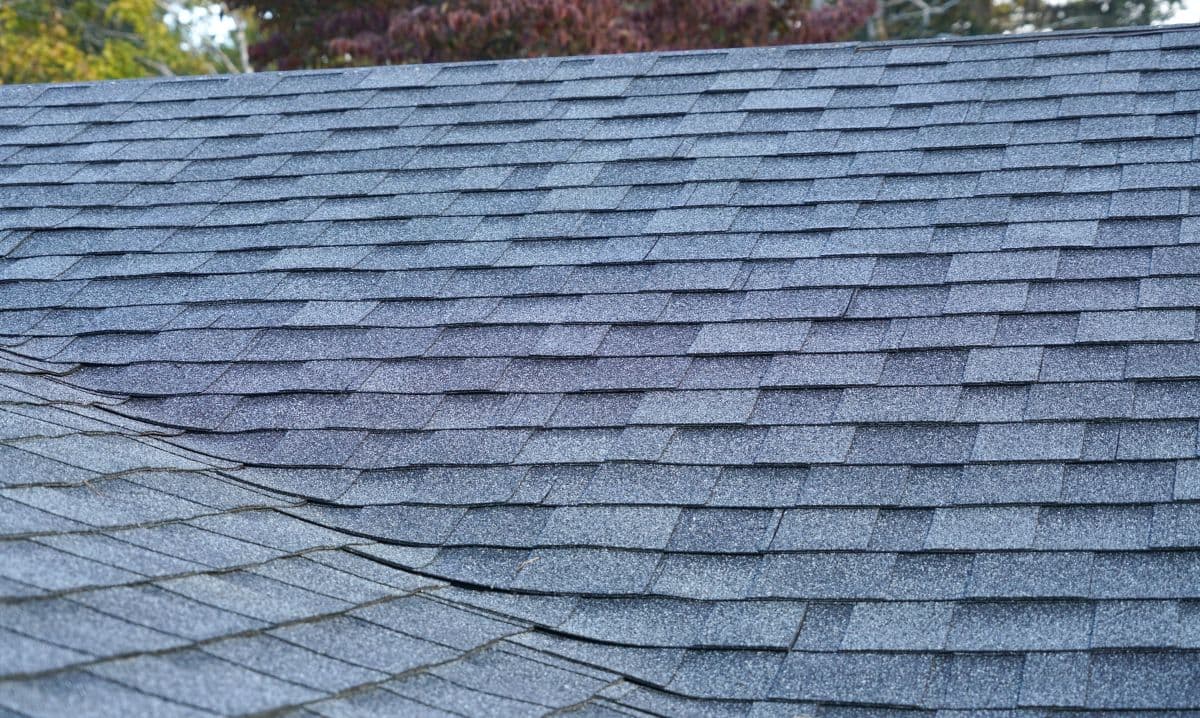
Seeing these two warranty types compared directly helps clarify where each one applies and why having both is important for full protection.
| Factor | Material Warranty | Workmanship Warranty |
| What It Covers | Manufacturing defects in roofing materials | Installation errors and workmanship issues |
| Provided By | The manufacturer | The roofing contractor |
| Typical Length | 20 to 50 years, often prorated over time | 2 to 10 years, varies by contractor |
| Common Exclusions | Installation errors, storm damage | Material defects, storm damage |
| Reliability Factor | Backed by manufacturer’s reputation | Dependent on contractor remaining in business |
A few additional considerations worth keeping in mind:
- Both Warranties Matter Together: Material coverage alone does not protect against installation mistakes, and workmanship coverage alone does not protect against defective materials.
- Ask About Certification Status: Certified contractors often provide access to stronger combined warranty options.
- Get Everything in Writing: Verbal promises about warranty coverage should always be confirmed in the written contract.
- Compare Contractor Track Records: A workmanship warranty is only as good as the contractor’s history of standing behind their work.
Homeowners throughout Whitestown and surrounding areas comparing roofing quotes often find that warranty terms vary more between contractors than material pricing does, making this an important factor to evaluate closely.
Choosing a Roof Backed by Real Protection
Understanding the difference between material and workmanship warranties, along with what can affect that coverage, puts homeowners in a much stronger position when planning a roofing project. A strong warranty is not just marketing language. It represents real financial protection if something goes wrong down the road.
If you are planning a roofing project and want clear, honest guidance on what warranty protection actually applies to your home, Jax Roofing has helped homeowners across Whitestown and surrounding areas understand their coverage for years. Contact us today to learn more about our warranty options and get straightforward answers before you sign anything.