
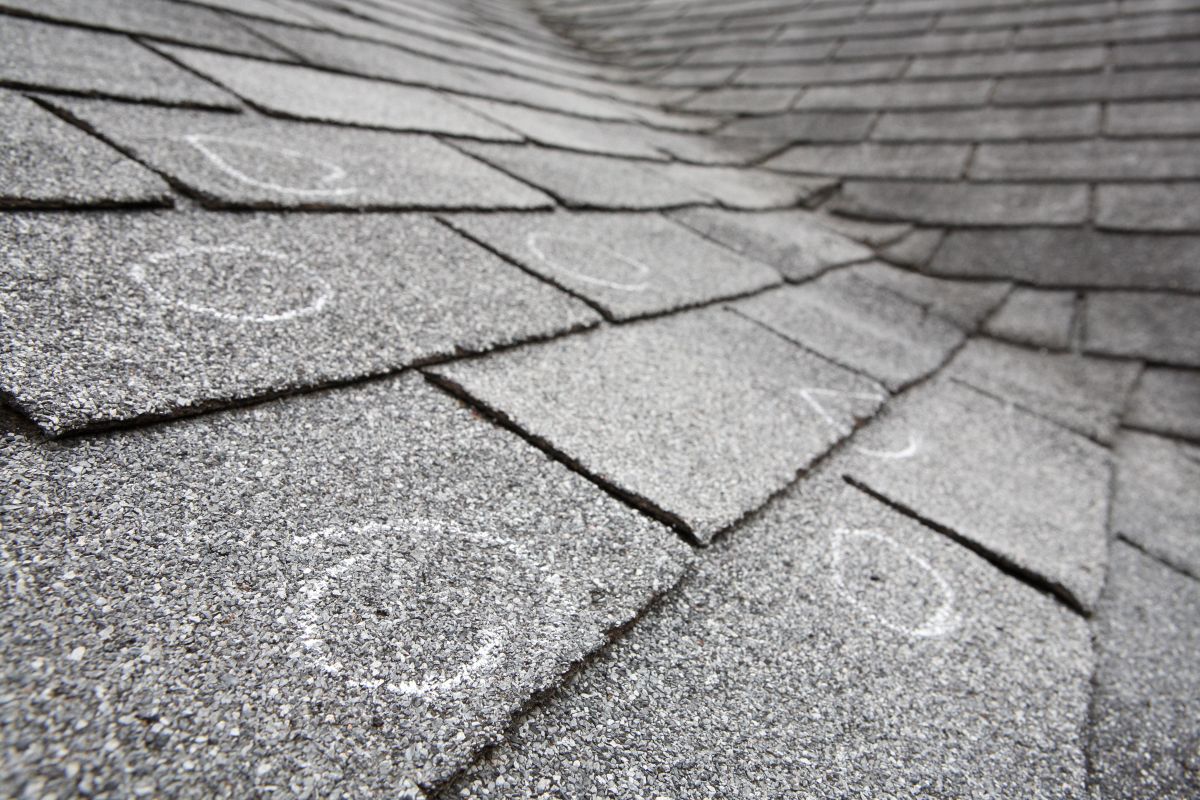
Signs of Hail Damage on an Asphalt Roof
A single hailstorm can leave lasting damage on your roof, even when nothing looks obviously wrong from the ground. Learning the common hail damage signs can help you catch problems early, before small issues turn into leaks or premature roof failure. Homeowners in Westfield often reach out after a storm to have their roof evaluated by a team that knows what to look for. Knowing what to check for after severe weather puts you in a much better position to protect your home.
Here is what you will learn:
- Why identifying hail damage early matters for your roof and your wallet
- The specific signs of hail damage to look for on an asphalt roof
- How to safely inspect your roof and property after a storm
- How hail damage compares to other types of roof wear and tear
- What to do next if you suspect your roof has been affected
Why Spotting Hail Damage Early Matters

Hail damage is often subtle, especially compared to the dramatic dents left on cars or siding. Shingles can absorb impact marks in ways that are not immediately visible, which means a roof can be quietly compromised for months before a leak finally shows up inside the home. Catching the signs early changes the outcome significantly.
Identifying roof damage soon after a storm offers real advantages:
- Faster Insurance Claims: Most policies have a window for filing storm-related claims, and early documentation strengthens your case.
- Prevention of Further Damage: Small cracks and bruises can worsen into future hail damage vulnerabilities if left unaddressed.
- Lower Repair Costs: Addressing damage early often means a repair instead of a full roof replacement.
- Protection of Your Home’s Interior: Compromised shingles can lead to water stains, leaks, and damage to insulation, drywall, and personal belongings.
- Peace of Mind: A prompt roof inspection removes the uncertainty of not knowing your roof’s true condition.
For homeowners in Westfield and surrounding areas, where seasonal storms regularly bring hail, staying alert after severe weather is one of the simplest ways to protect a significant investment in your home.
7 Common Signs of Hail Damage on an Asphalt Roof
Hail damage shows up in several distinct ways, and knowing what each sign looks like helps you determine whether a professional inspection is needed. Spotting hail damage early often comes down to knowing exactly where to look and what these signs actually mean.
1. Granule Loss
Asphalt shingles are coated with protective granules that shield them from UV rays and weather exposure. Hail impact can knock these granules loose, leaving bare or thinned spots on the shingle surface.
- Check gutters and downspouts for accumulated granules after a storm
- Bare spots often appear as darker patches on the shingle
- Excessive granule loss accelerates shingle aging and reduces protection
2. Bruising or Soft Spots
Hail impact can create bruises on shingles that feel soft or spongy when pressed. These impact marks may not be visible from the ground but can be identified during a closer inspection.
- Bruises often appear as circular indentations
- Soft spots indicate the shingle’s structural integrity has been compromised
- Left untreated, bruised areas can develop into cracks or leaks over time
3. Cracked or Split Shingles
Larger hail can cause shingles to crack or split entirely, especially on older or more brittle roofing materials. These cracks create direct pathways for water infiltration.
- Cracks are often more visible along shingle edges or seams
- Splitting is more common on shingles that were already showing signs of wear and tear
- Even small cracks should be addressed promptly to prevent leaks
4. Damaged Flashing, Vents, and Pipe Boots
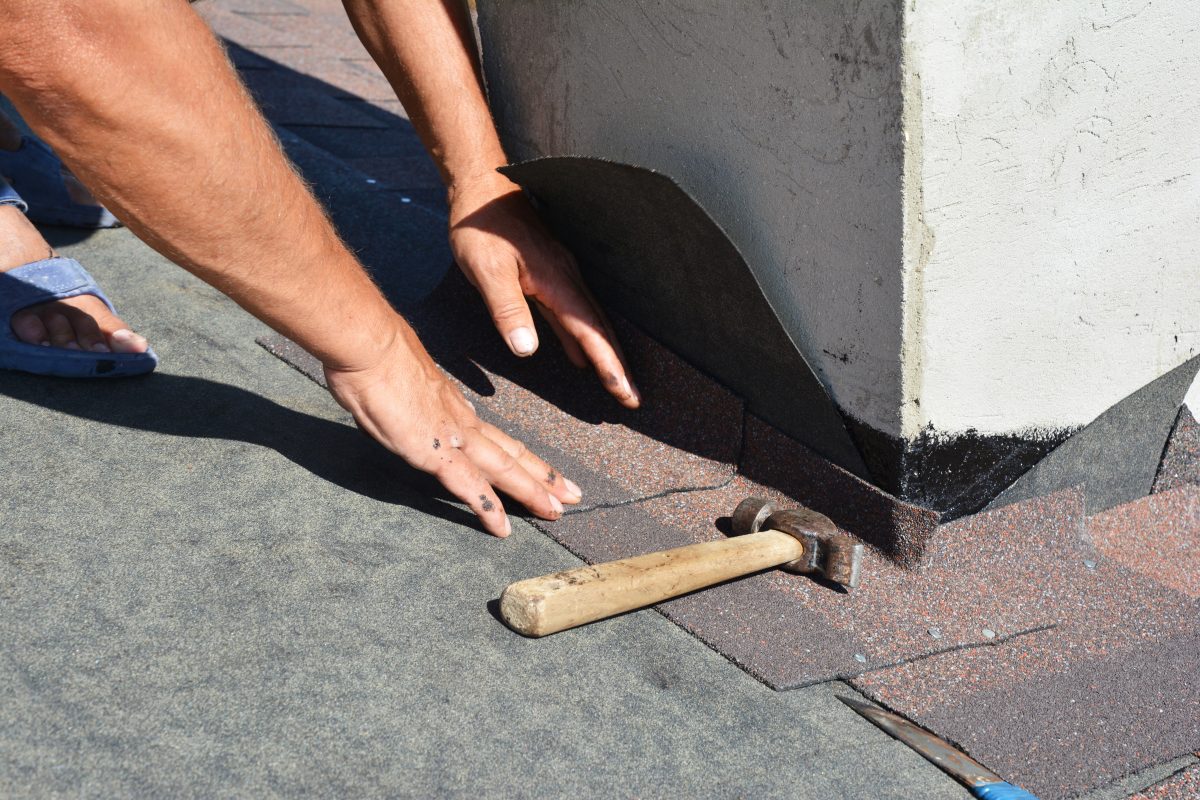
Hail does not just affect shingles. Flashing around chimneys, vents, and skylights can also be dented or damaged, and pipe boots are especially vulnerable since they are made of softer, more pliable materials that crack or split on impact.
- Dented vent covers are a common but often overlooked sign of hail impact
- Cracked pipe boots can create hidden leak points that are easy to miss
- Metal and rubber components should be inspected alongside shingles after any hailstorm
5. Granule Buildup in Gutters
Beyond checking the roof itself, gutters can reveal a lot about hail impact. A sudden buildup of granules after a storm is often one of the clearest early indicators that shingles have sustained damage.
- Compare gutter contents before and after a storm event if possible
- Excessive granules suggest widespread impact across the roof
- This sign alone often warrants a professional roof inspection
6. Dented or Damaged Gutters and Downspouts
Since gutters and downspouts are typically made of thinner metal, they often show hail damage before shingles do. Visible dents on these components are a strong indicator that the roof itself was likely affected as well.
- Dents are usually easiest to spot on horizontal gutter sections
- Damaged downspouts may indicate the storm’s overall intensity and hail size
- This is often the first sign homeowners notice from the ground
7. Discoloration or Dark Spots on the Roof Surface
Hail impact can leave behind dark spots or discoloration where the shingle surface has been bruised or stripped of granules. These marks are sometimes mistaken for dirt or algae but are actually a visible indicator of impact damage.
- Dark spots often appear scattered rather than in a uniform pattern
- This discoloration can be easier to spot from a distance than individual cracks or bruises
- A cluster of dark spots in one area often points to a direct line of hail impact during the storm
How to Safely Inspect Your Roof After a Storm
While some signs of hail damage can be spotted from the ground, a full assessment often requires getting closer to the roof surface. Safety should always come first when checking for roof damage.
What You Can Check From the Ground
- Gutters and Downspouts: Look for dents or granule accumulation.
- Visible Shingles: Scan for obvious cracks, missing pieces, or discoloration.
- Surrounding Property: Check siding, window screens, and outdoor fixtures for hail impact as a reference point for hail size.
- Ceilings and Attic Spaces: Look for fresh water stains, which can indicate the roof is already compromised.
What Should Be Left to Professionals
- Roof Surface Inspection: Walking on a damaged roof can cause further harm or pose a safety risk.
- Flashing, Vent, and Pipe Boot Checks: These areas require close inspection to identify subtle damage.
- Documentation for Insurance: Professional reports often carry more weight with insurance adjusters than homeowner observations alone.
Attempting a full roof inspection without proper safety equipment or experience can be risky, which is why homeowners are encouraged to schedule a professional evaluation rather than climbing onto the roof themselves.
Hail Damage vs Other Common Roof Wear

Not every roofing issue is caused by hail, and distinguishing between different types of damage helps set the right expectations for repair versus replacement. A common question homeowners ask is whether does hail damage look different from normal wear and tear, and in most cases the answer comes down to pattern and shape. Understanding these differences can also be useful when discussing your roof with an insurance adjuster.
| Type of Damage | Common Cause | Typical Appearance | Insurance Coverage |
| Hail Damage | Storm impact | Bruising, granule loss, cracked shingles, damaged pipe boots | Often covered under storm damage claims |
| Wind Damage | High winds, storms | Lifted, torn, or missing shingles | Typically covered under storm damage claims |
| Age-Related Wear | Normal aging over time | Curling, widespread granule loss, brittleness | Usually not covered, considered general wear and tear |
| Improper Installation | Poor workmanship | Uneven wear, premature failure in specific areas | Not typically covered by insurance |
A few additional points worth understanding:
- Document Everything: Photos taken immediately after a storm can strengthen an insurance claim significantly.
- Get a Professional Opinion: Insurance adjusters and roofing contractors sometimes assess damage differently, so a second opinion can be valuable.
- Act Within Your Policy Window: Many insurance policies have time limits for filing storm-related claims.
- Keep Records of Past Repairs: This helps distinguish new hail damage from pre-existing wear and tear during an inspection.
- Watch for Water Stains: New staining on ceilings after a storm is often the first indoor sign that roofing materials have been compromised.
Homeowners throughout Westfield and surrounding areas dealing with frequent seasonal storms often benefit from scheduling an inspection after any significant hail event, even if damage is not immediately obvious.
Protecting Your Home After Storm Damage
Recognizing the signs of hail damage early can be the difference between a straightforward repair and a much larger, more expensive problem down the road. From granule loss to cracked shingles, damaged pipe boots, and water stains inside the home, knowing what to look for helps you act quickly and confidently after severe weather.
If your home in Westfield or the surrounding areas has recently experienced a hailstorm, do not wait until a leak forces the issue. Jax Roofing has helped homeowners throughout the region assess and repair storm damage for years, working directly with insurance companies to make the process as smooth as possible. Contact us today to schedule a professional inspection and get a clear picture of your roof’s condition.

