
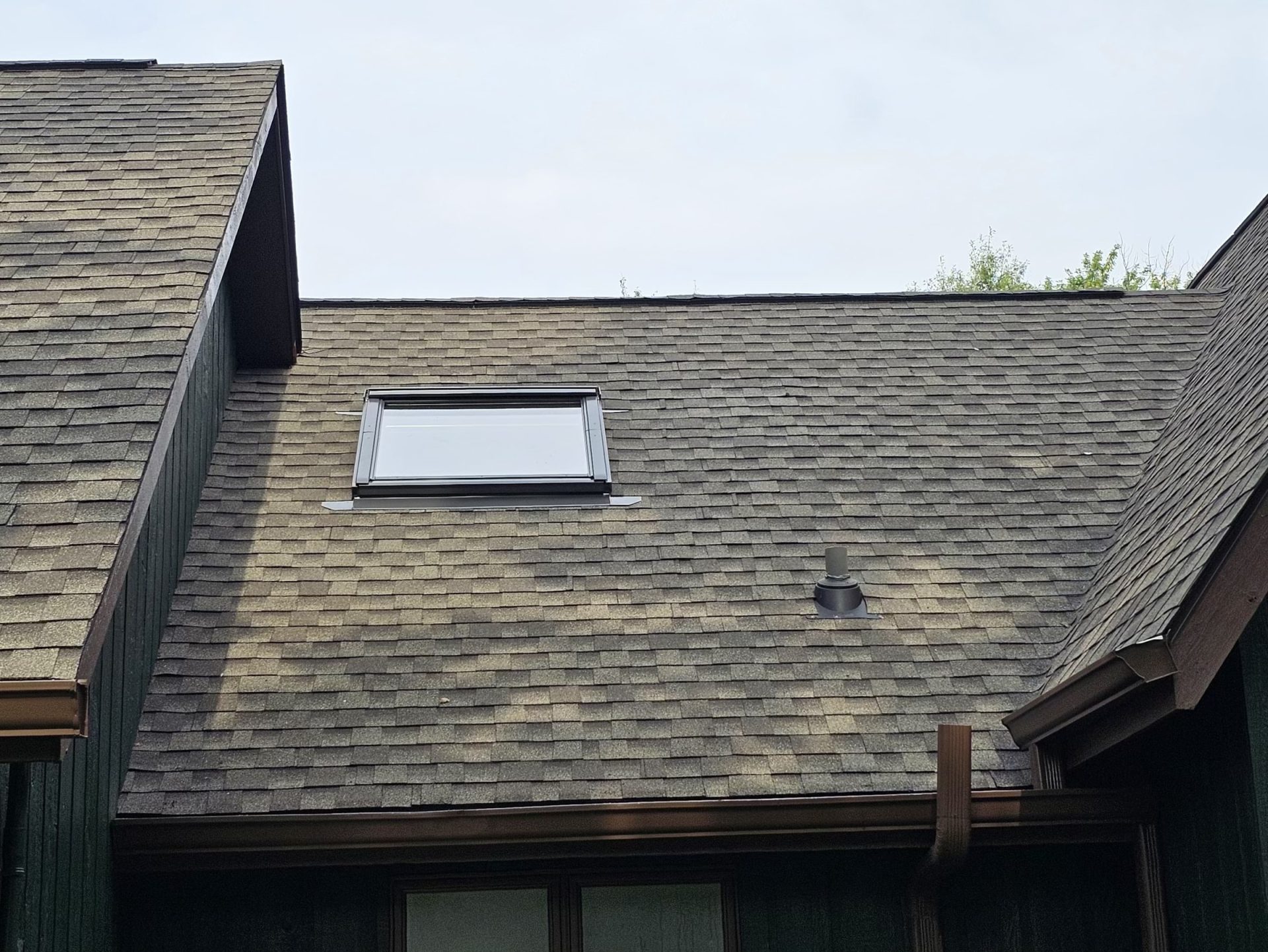
Roof Ventilation Explained: Why Attic Airflow Matters
Most homeowners think about shingles, gutters, and flashing when it comes to their roof, but one of the most overlooked components sits hidden in the attic. Proper roof ventilation plays a major role in how long your roof lasts and how comfortable your home stays throughout the year. Homeowners in Fortville often discover this after talking with a team that inspects the whole roofing system, not just the surface. Understanding how attic airflow works can help you avoid costly problems before they start.
Here is what you will learn:
- Why proper attic airflow matters for your roof and your home
- The different types of roof ventilation and how they work together
- Warning signs that indicate your attic is not ventilating properly
- How proper ventilation compares to poor ventilation in real world impact
- What steps to take if your home needs a ventilation upgrade
Why Roof Ventilation Matters More Than Most Homeowners Realize
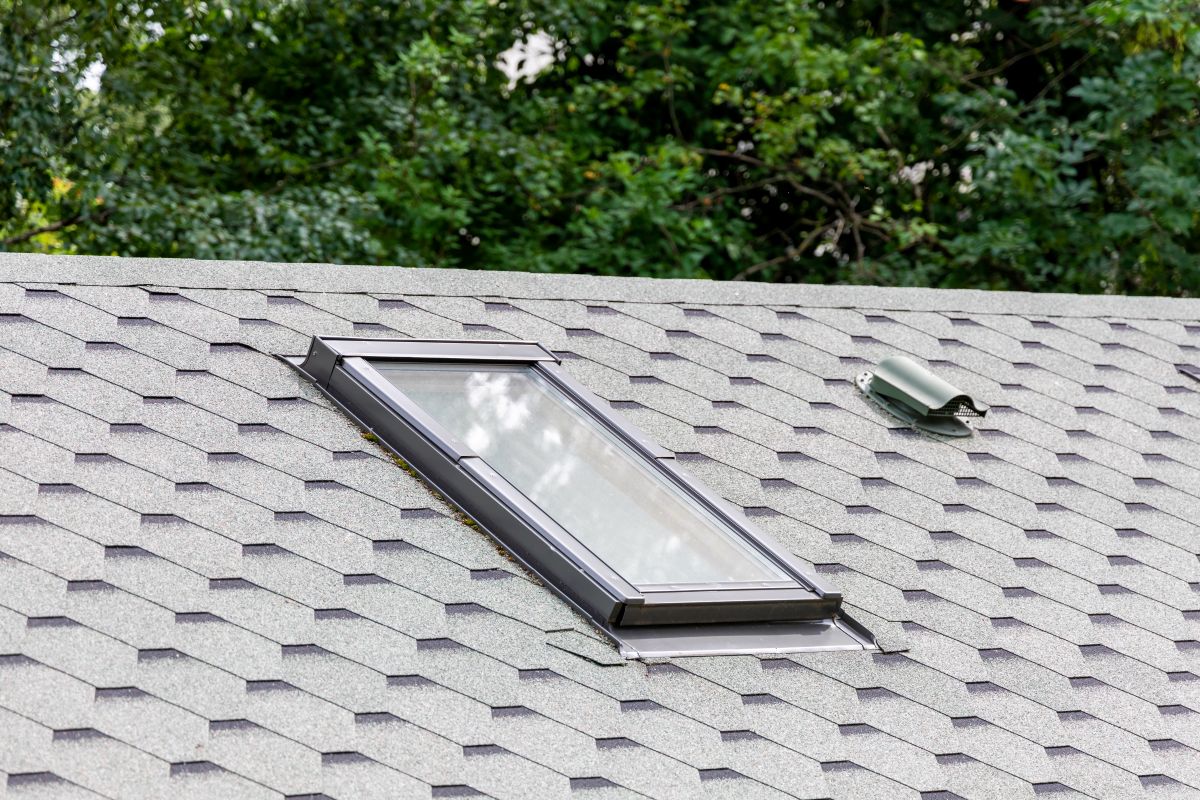
Attic ventilation is easy to overlook because it works quietly in the background, but its impact on your home is significant. Without proper airflow, heat and moisture build up in the attic, creating conditions that can shorten your roof’s lifespan and drive up energy costs.
Proper ventilation delivers benefits that reach far beyond the attic itself:
- Extended Roof Lifespan: Reduced heat buildup helps shingles avoid premature aging and warping.
- Lower Energy Bills: Balanced airflow prevents attics from overheating, easing the load on your air conditioning system.
- Moisture Control: Proper ventilation reduces the risk of condensation, mold, and wood rot in the attic space.
- Ice Dam Prevention: Consistent attic temperatures help prevent the uneven snow melting that leads to ice dams in winter.
- Improved Indoor Comfort: A well-ventilated attic helps regulate temperatures in the rooms directly below it.
For homeowners in Fortville and surrounding areas, where hot, humid summers meet cold winters, proper ventilation is especially important. Attics that are not designed to handle these swings often show problems years before the roof itself would otherwise need attention.
7 Key Components of Roof Ventilation Explained
Effective attic ventilation depends on a balanced system that allows air to enter and exit properly. Understanding each component helps homeowners recognize whether their own attic is set up to perform the way it should.
1. Intake Vents
Intake vents are typically located along the lower edges of the roof, often at the soffits, and allow cooler outside air to enter the attic space. Without adequate intake, even the best exhaust ventilation cannot function properly.
- Soffit vents are the most common type of intake ventilation
- Blocked or insufficient soffit vents are a common cause of poor airflow
- Intake and exhaust vents must be balanced to work effectively
2. Exhaust Vents
Exhaust vents allow hot air to escape from the highest points of the attic, typically near the ridge. This creates a natural flow of air that continuously cycles fresh air through the attic space.
- Ridge vents run along the peak of the roof for continuous airflow
- Box vents are a common alternative exhaust option
- Exhaust vents work most effectively when paired with adequate intake
3. Ridge Vents
Ridge vents have become one of the most popular exhaust options due to their consistent performance and low profile appearance. They run the length of the roof’s ridge line and provide even airflow across the entire attic space.
- Provide continuous ventilation rather than relying on wind or power
- Blend seamlessly into the roofline for better curb appeal
- Often paired with soffit vents for a complete ventilation system
4. Gable Vents
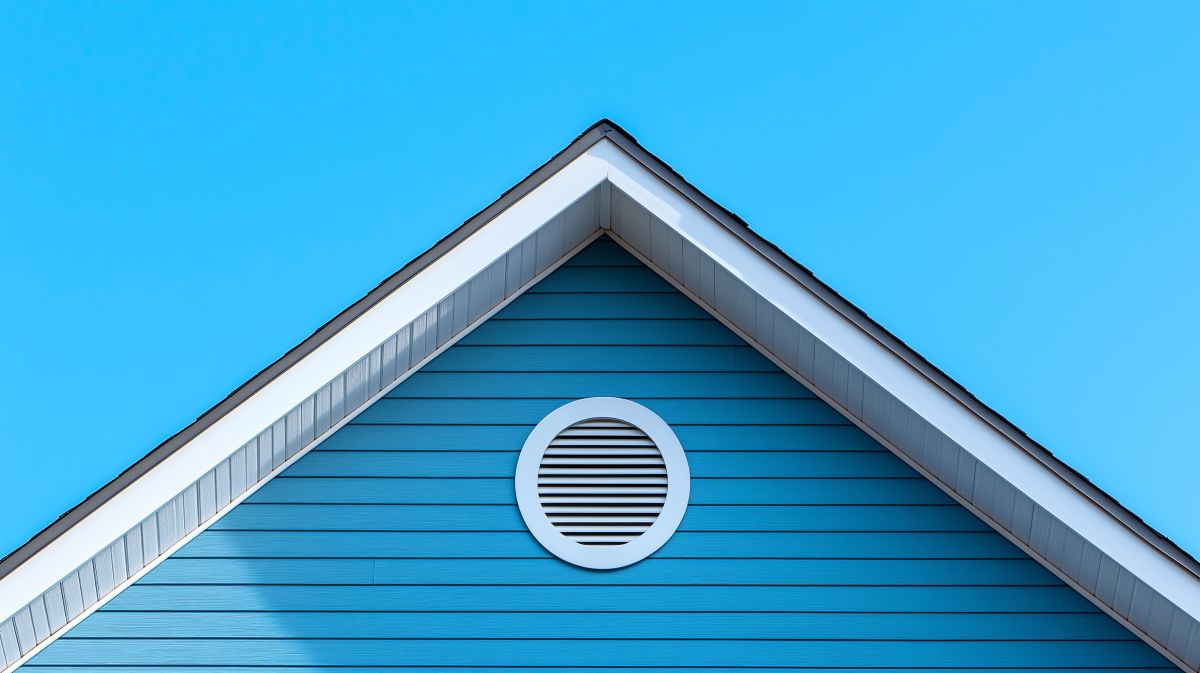
Gable vents are installed on the vertical ends of a home’s attic space and can work as either intake or exhaust, depending on the ventilation system design. They are common in older homes and can sometimes work alongside other vent types.
- Can create airflow conflicts if combined incorrectly with ridge vents
- Often supplemented with additional ventilation in larger attics
- Provide a traditional look that some homeowners prefer
5. Turbine Vents
Turbine vents use wind power to spin and pull hot air out of the attic, offering an exhaust option that requires no electricity to operate. They tend to work best in areas with consistent wind exposure throughout the year.
- Perform most effectively on breezy days but slow down in calm conditions
- Require occasional lubrication or maintenance to keep spinning freely
- Often used as a supplement to ridge or box vents rather than a sole exhaust source
6. Powered and Solar Attic Fans
In some cases, natural ventilation alone is not enough, particularly in larger attics or homes with limited roof design options. Powered or solar attic fans can actively pull hot air out of the attic space to supplement natural airflow.
- Useful for attics with limited natural ventilation options
- Solar powered options reduce added electricity costs
- Should be sized correctly to avoid pulling conditioned air from living spaces
7. Soffit Baffles
Soffit baffles, sometimes called chutes, are installed at the point where the roof meets the attic floor to keep insulation from blocking soffit vents. Without them, even properly installed intake vents can become ineffective over time.
- Prevent insulation from shifting and covering soffit openings
- Maintain a clear air channel between the soffit and attic space
- Often overlooked during insulation upgrades, which can accidentally block airflow
Warning Signs Your Attic Is Not Ventilating Properly
Poor attic ventilation often shows up in ways that homeowners do not immediately connect to their roof. Recognizing these signs early can prevent more serious and expensive damage down the road.
Signs Inside the Attic
- Excessive Heat Buildup: An attic that feels significantly hotter than expected during summer months.
- Visible Moisture or Condensation: Dampness on the underside of the roof deck or on insulation.
- Musty Odors: A sign that moisture is being trapped rather than properly ventilated.
- Mold or Mildew Growth: Often appears on rafters, decking, or insulation when moisture is not escaping properly.
Signs Outside the Home
- Ice Dams in Winter: Uneven snow melting caused by inconsistent attic temperatures.
- Curling or Buckling Shingles: Heat trapped beneath shingles can accelerate this type of damage.
- Higher Than Expected Energy Bills: Poor ventilation forces your HVAC system to work harder than necessary.
- Rust on Metal Roof Components: Excess moisture can contribute to premature rusting on flashing and vents.
If any of these signs sound familiar, it may be worth having your attic ventilation evaluated alongside your regular roof inspection.
Proper Ventilation vs Poor Ventilation: The Real Impact
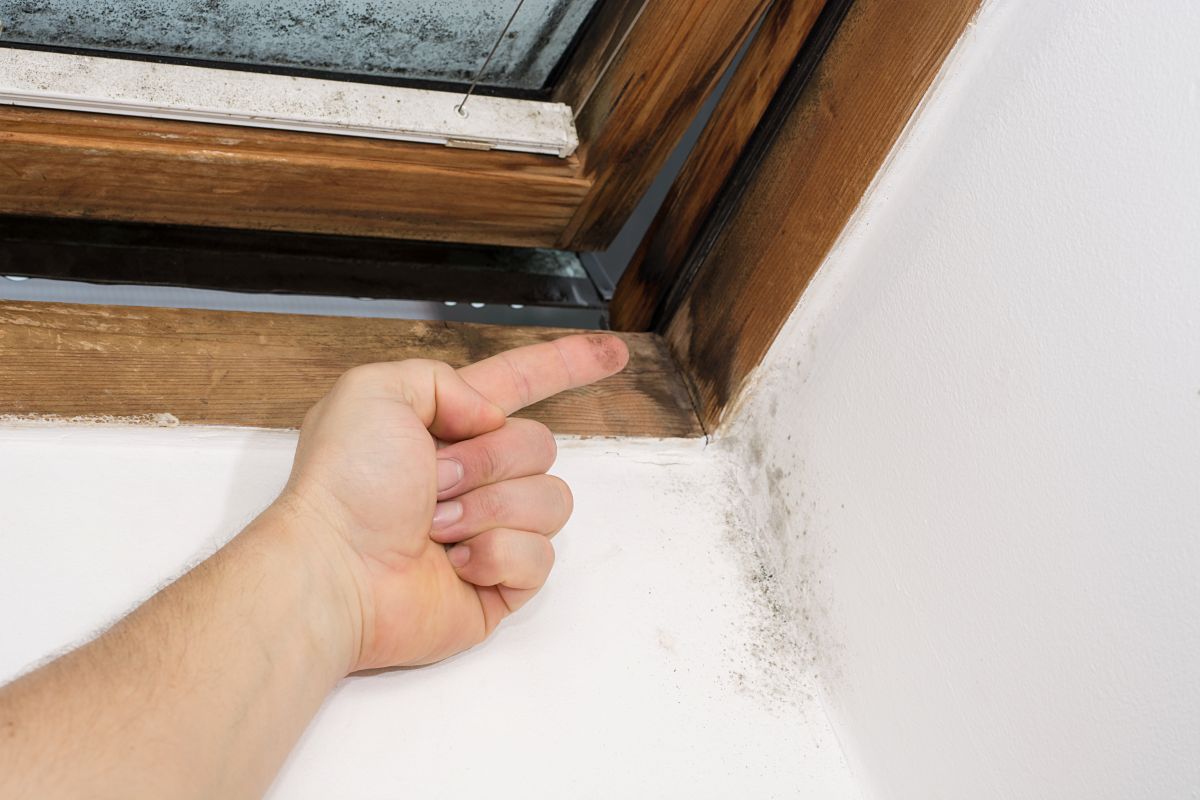
Seeing the practical differences between a properly ventilated attic and one with inadequate airflow helps illustrate why this often overlooked system matters so much.
| Factor | Proper Ventilation | Poor Ventilation |
| Roof Lifespan | Extended, reduced heat-related wear | Shortened due to accelerated shingle aging |
| Energy Costs | Lower, reduced HVAC strain | Higher, increased cooling demand |
| Moisture Control | Minimal condensation risk | Increased risk of mold and wood rot |
| Winter Performance | Reduced risk of ice dams | Higher risk of ice dam formation |
| Indoor Comfort | More consistent temperatures | Uneven temperatures in upper rooms |
A few additional points worth considering:
- Balance Matters Most: Having exhaust vents without adequate intake, or vice versa, can actually create airflow problems rather than solving them.
- Insulation Plays a Role Too: Ventilation and insulation work together, and addressing one without the other often produces limited results.
- Ventilation Needs Vary by Home: Attic size, roof design, and local climate all affect what type of ventilation system works best.
- Professional Assessment Helps: A trained eye can often spot ventilation issues that are not obvious to homeowners.
Homeowners throughout Fortville and surrounding areas dealing with unexplained energy spikes or premature shingle wear often find that ventilation issues are a contributing factor once a full inspection is completed.
Protecting Your Roof Starts With Proper Airflow
Roof ventilation may not be the most visible part of your home, but its impact on your roof’s lifespan, your energy bills, and your overall comfort is significant. From intake and exhaust balance to recognizing early warning signs, understanding how attic airflow works puts you in a much stronger position to protect your investment.
If you suspect your home’s ventilation system is not performing the way it should, or if you simply want a full evaluation as part of a routine inspection, Jax Roofing has helped homeowners across Fortville and surrounding areas identify and resolve ventilation issues for years. Contact us today to schedule an inspection and find out whether your attic is working the way it should.

