Roof Flashing: What It Is and Why It Fails
Most homeowners focus on shingles when thinking about their roof, but one of the most common sources of leaks is a much smaller, often overlooked component. Roof flashing plays a critical role in sealing the vulnerable points where your roof meets chimneys, vents, and walls, and when it fails, water finds its way in fast. Homeowners in Zionsville often discover this after having a persistent leak traced back by a team that knows exactly where to look. Understanding what flashing does and why it fails can help you catch problems before they lead to bigger damage.
Here is what you will learn:
- Why flashing matters more than most homeowners realize
- The main reasons flashing fails and how each one develops
- Different types of flashing and where each one is used
- How flashing problems compare in terms of risk and repair urgency
- What to do if you suspect your flashing has failed
Why Roof Flashing Is Important for Every Indiana Home

Flashing might be one of the smallest components on your roof, but it plays an outsized role in keeping water out. Every place where your roof surface is interrupted, whether by a chimney, vent, skylight, or wall, creates a vulnerable seam that flashing is specifically designed to protect.
Understanding why roof flashing is important offers real benefits:
- Leak Prevention: Properly sealed flashing stops water from entering at your roof’s most vulnerable points.
- Extended Roof Lifespan: Preventing water intrusion protects the decking and structure beneath your shingles.
- Lower Repair Costs: Catching flashing issues early is far cheaper than repairing extensive water damage.
- Protected Interior Spaces: Functioning flashing keeps moisture away from ceilings, walls, and insulation.
- Reduced Mold Risk: Preventing hidden leaks reduces the chance of mold developing in unseen areas.
For homeowners in Zionsville and surrounding areas, where seasonal storms and temperature swings put extra stress on every part of the roofing system, understanding flashing’s role is an important part of protecting your home.
6 Reasons Roof Flashing Fails Over Time
Flashing can fail for several different reasons, and understanding each one helps homeowners recognize potential problems before they lead to leaks. Walking through these common causes makes it easier to know what might be affecting your own roof.
1. Age and Galvanized Steel Deterioration
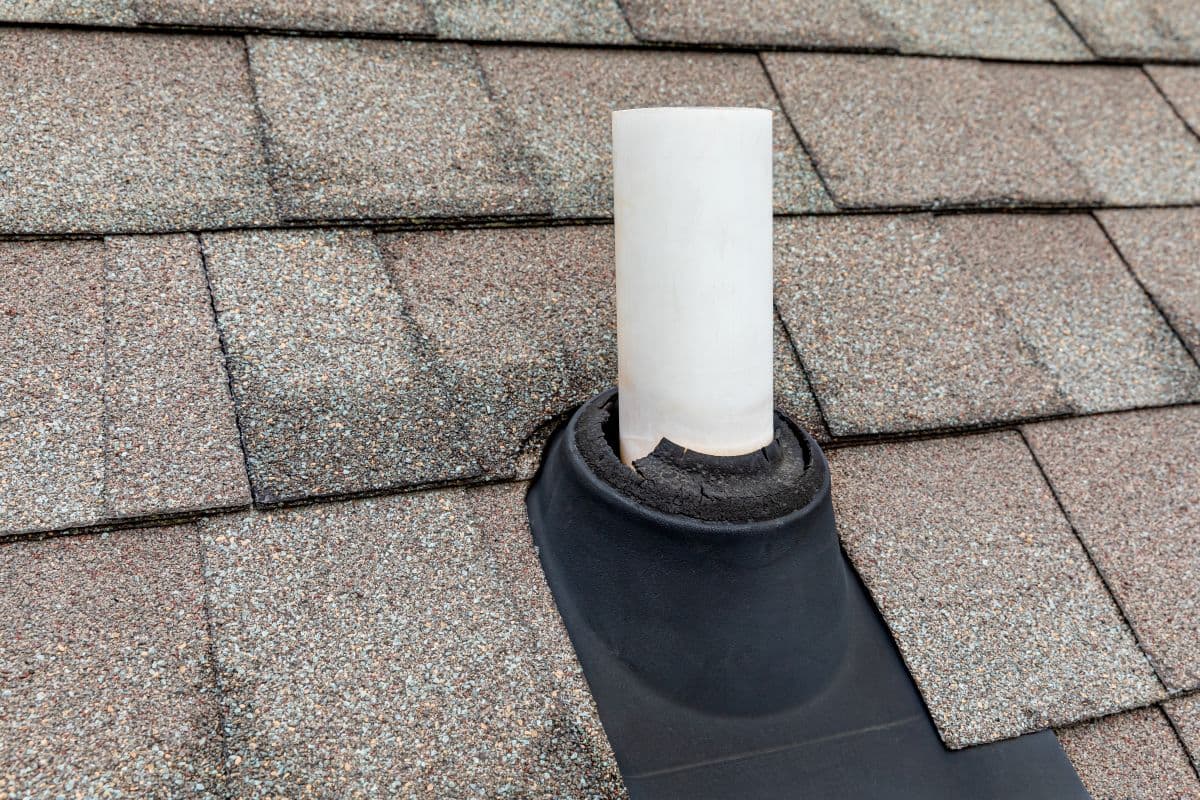
Like all roofing components, flashing has a limited lifespan and gradually deteriorates due to constant weather exposure. Galvanized steel flashing can rust over time, while rubber components can dry out and crack.
- Galvanized steel flashing typically lasts 20 to 30 years before showing significant wear
- Rubber components like pipe boots often fail sooner than metal flashing
- Visible rust or cracking is a clear sign that replacement may be needed soon
2. Why Professional Installation Prevents Flashing Failure
Flashing that was not installed correctly is one of the most common causes of premature failure. Even high quality materials will not perform properly if they were not sealed, layered, or fastened according to proper installation standards, which is why professional installation matters so much for this part of the roof.
- Improperly overlapped flashing allows water to seep beneath it
- Insufficient sealant application can lead to gaps that develop into leaks
- Working with an experienced, certified contractor to install roof flashing correctly significantly reduces this risk
3. Thermal Expansion and Contraction
Indiana’s fluctuating temperatures cause roofing materials, including flashing, to repeatedly expand and contract. Over time, this constant movement can loosen fasteners and create small gaps where water can enter.
- Repeated temperature swings gradually loosen nails and fasteners over time
- Small gaps created by this movement often go unnoticed until a leak appears
- Flexible sealants help accommodate this movement but still require periodic maintenance
4. Sealant Breakdown
Many flashing installations rely on sealant to reinforce the seal around joints and edges. This sealant naturally breaks down over time due to sun exposure and weather, eventually losing its ability to keep water out.
- Sealant typically needs reapplication every few years depending on exposure
- Cracked or missing sealant is often visible during a close inspection
- Neglecting sealant maintenance accelerates flashing failure significantly
5. Physical Damage from Storms or Debris
Severe weather, falling branches, or even routine maintenance work can physically damage flashing, creating openings for water infiltration. This type of damage is often more sudden compared to gradual wear.
- High winds can bend or lift flashing away from the roof surface
- Falling debris can dent or puncture flashing directly
- Storm damage to flashing often goes unnoticed until interior leaks appear
6. Corrosion from Trapped Moisture
When debris or standing water accumulates around flashing, it can accelerate corrosion, particularly on metal components. This trapped moisture creates a more aggressive environment than typical weather exposure alone.
- Clogged gutters near flashing can contribute to prolonged moisture exposure
- Corrosion often develops in less visible areas, delaying detection
- Regular cleaning around chimneys and vents helps reduce this risk
Types of Roof Flashing: Drip Edge, Counter Flashing, and More
Understanding the different types of flashing used throughout a roofing system helps homeowners recognize where potential problems are most likely to develop. Each type serves a specific purpose based on its location and the shape it needs to seal.
Drip Edge Flashing
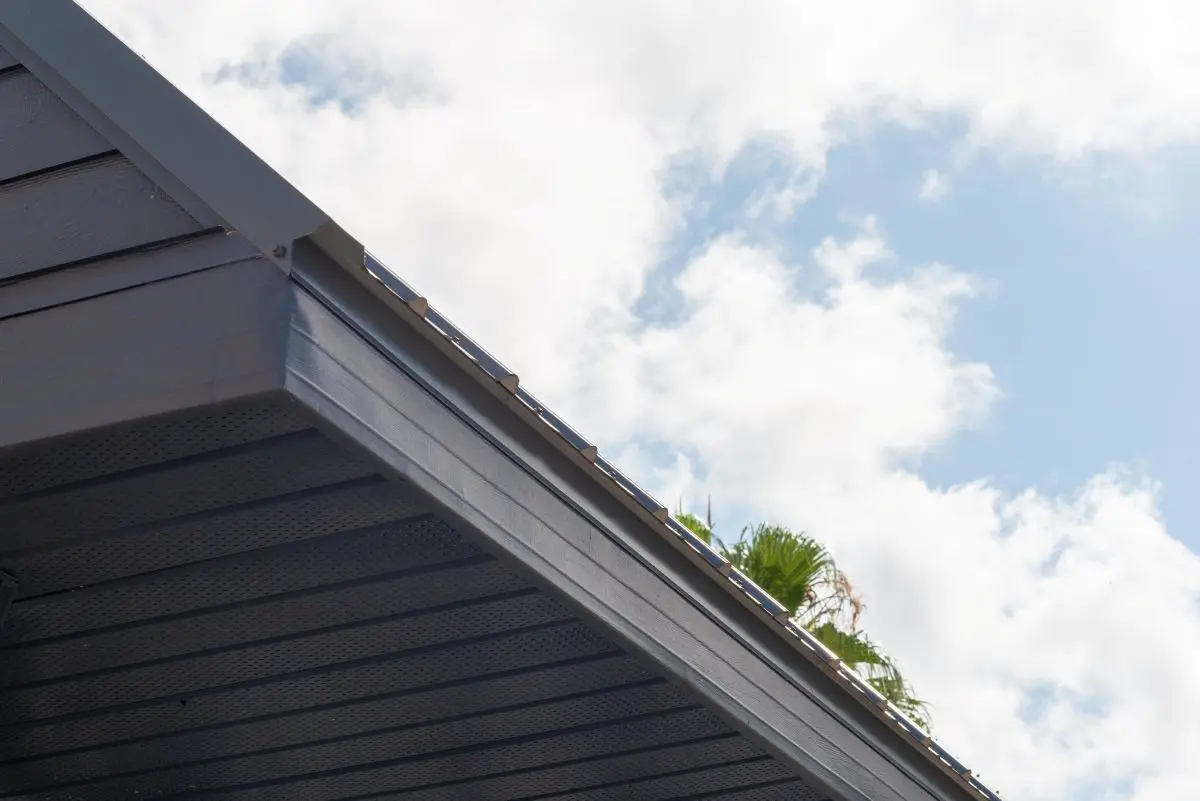
Drip edge flashing is installed along the roof’s outer edges to direct water away from the fascia and into the gutters rather than allowing it to run down the side of the home.
- Prevents water from seeping behind gutters and damaging fascia boards
- Runs continuously along eaves and rake edges
- One of the most straightforward flashing types to inspect visually
Counter Flashing
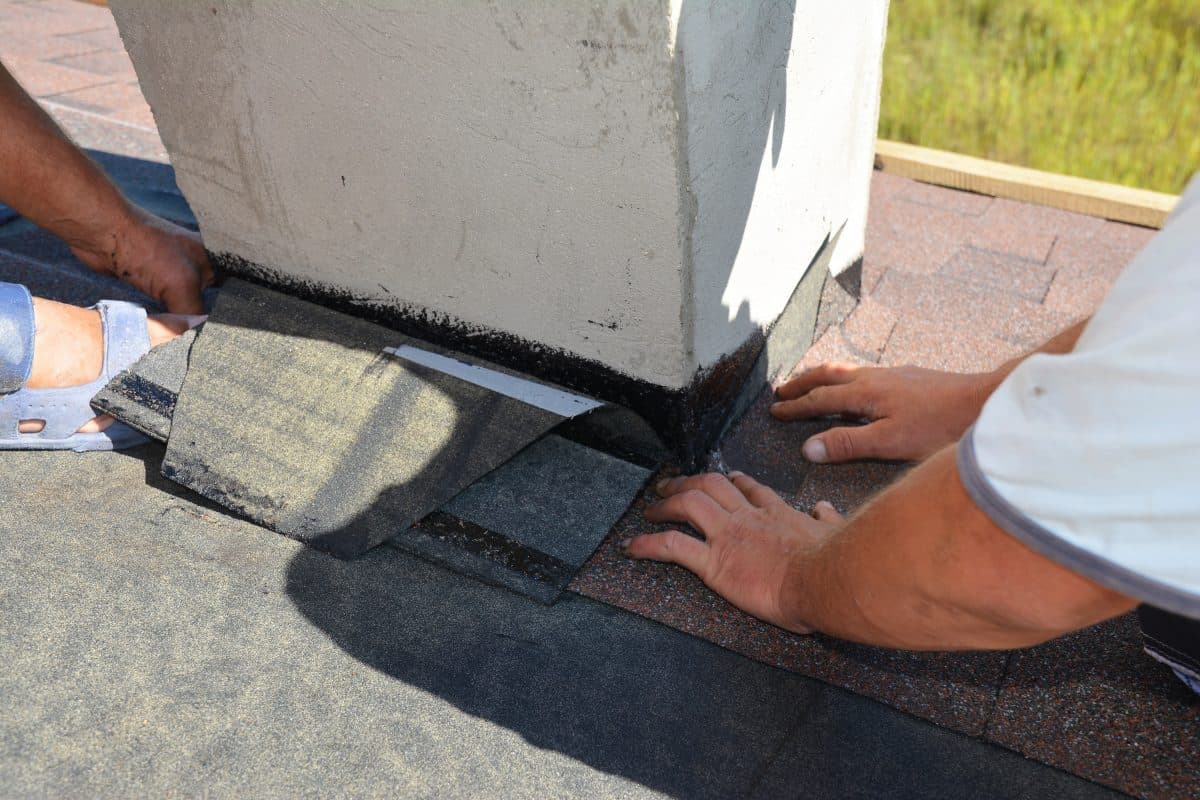
Counter flashing works alongside step flashing around chimneys and walls, overlapping it to create a second layer of protection against water intrusion.
- Typically embedded into mortar joints on masonry chimneys
- Provides a critical second barrier where step flashing alone is not enough
- Common failure point when mortar joints deteriorate over time
Apron Flashing
Apron flashing is used where a roof slope meets a vertical surface, such as the front of a chimney or dormer, directing water down and away from that intersection.
- Often works together with step flashing along the sides
- Prevents water from pooling at the base of vertical roof features
- Vulnerable to damage from ice buildup during winter months
Kickout Flashing
Kickout flashing directs water away from the wall at the point where a roofline meets a sidewall, sending it into the gutter instead of behind the siding.
- Missing kickout flashing is a common cause of hidden wall damage
- Especially important where roof valleys terminate near an exterior wall
- Often overlooked during standard roof installations, leading to costly issues later
Continuous Flashing
Continuous flashing, also called apron or base flashing depending on placement, runs in a single, unbroken piece along certain roof to wall intersections rather than being installed in overlapping sections.
- Provides consistent coverage without the layered seams found in step flashing
- Best suited for straight, uninterrupted roof to wall connections
- Requires careful installation to accommodate thermal movement along its length
Step Flashing
Step flashing is installed in layers along roof to wall intersections, commonly found near dormers and chimneys, with each piece overlapping the one below it.
- Works together with counter flashing for complete protection
- A common source of leaks when improperly overlapped
- Should be inspected during every roof to wall junction evaluation
Vent Pipe and Skylight Flashing
Vent pipe flashing, often called pipe boots, seals around vent pipes using rubber and metal components, while skylight flashing is a specialized system designed to seal the unique shape and size of skylight installations.
- Pipe boots typically wear out faster than surrounding metal flashing
- Skylight flashing kits are usually specific to the skylight manufacturer
- Both require close inspection since leaks here often mimic shingle damage
Comparing Flashing Problems by Risk and Repair Urgency
Not all flashing issues carry the same level of urgency. Understanding how different problems compare can help homeowners prioritize what needs immediate attention versus what can be monitored over time.
| Flashing Issue | Common Location | Repair Urgency | Typical Repair Complexity |
| Rusted Galvanized Steel Flashing | Chimneys, valleys | Moderate to high | Low to moderate |
| Cracked Pipe Boots | Vent pipe penetrations | High | Low |
| Improperly Installed Step Flashing | Roof to wall intersections | High | Moderate |
| Deteriorated Sealant | Various flashing joints | Moderate | Low |
| Storm-Damaged Flashing | Any exposed area | High | Varies by extent of damage |
| Missing Kickout Flashing | Roofline to sidewall junctions | High | Moderate |
A few additional points worth understanding:
- Do Not Ignore Small Gaps: Even minor flashing separation can lead to significant water infiltration over time.
- Schedule Regular Inspections: Flashing issues are often easier to spot during a professional roof inspection than a casual visual check.
- Address Issues Promptly After Storms: Physical damage to flashing should be assessed as soon as possible.
- Consider Full Replacement During Reroofing: Aging flashing is often best replaced entirely during a roof replacement rather than patched repeatedly.
Homeowners throughout Zionsville and surrounding areas dealing with unexplained leaks often find that flashing issues, rather than shingle damage, turn out to be the actual source of the problem.
Trust the Professionals to Install Roof Flashing Correctly
Understanding what roof flashing does and why it fails gives homeowners a real advantage in identifying and addressing leaks before they cause significant damage. From age-related deterioration to improper installation and storm damage, flashing problems can develop in several different ways, which makes regular inspection an important part of roof maintenance.
If you suspect your flashing may be compromised, or if you simply want a thorough inspection for peace of mind, Jax Roofing has helped homeowners across Zionsville and surrounding areas identify and repair flashing issues for years. Contact us today to schedule an inspection and get a clear answer before a small flashing issue becomes a much bigger problem.